An archive of tarot · est. for reflection
Read patterns,
not predictions.
Arcanate is a candlelit study for tarot — a place for ritual, symbolic interpretation, and the slow recognition of one’s own recurring themes.
“A card is a small painted door. The discipline of reading is mostly the discipline of describing the door honestly.”
— From the notebooks of Rufus Santora
I. Ritual
The cards are chosen, not generated.
Each reading begins with an arced splay of the deck. You draw with your hand, in your own pace — a quiet gesture that the rest of the interpretation answers to.
- i · Splay
The deck is laid in an arc, face down. Nothing is decided yet.
- ii · Draw
You select by touch. There is a brief pause between choices, by design.
- iii · Reveal
Cards turn one by one — interpretation unfolds at reading pace.
II. Interpretation
A reading, in three breaths.
Past · Present · Future — a quiet timeline, written as prose rather than a list. The synthesis below names what the three cards do together, not only what each one is.
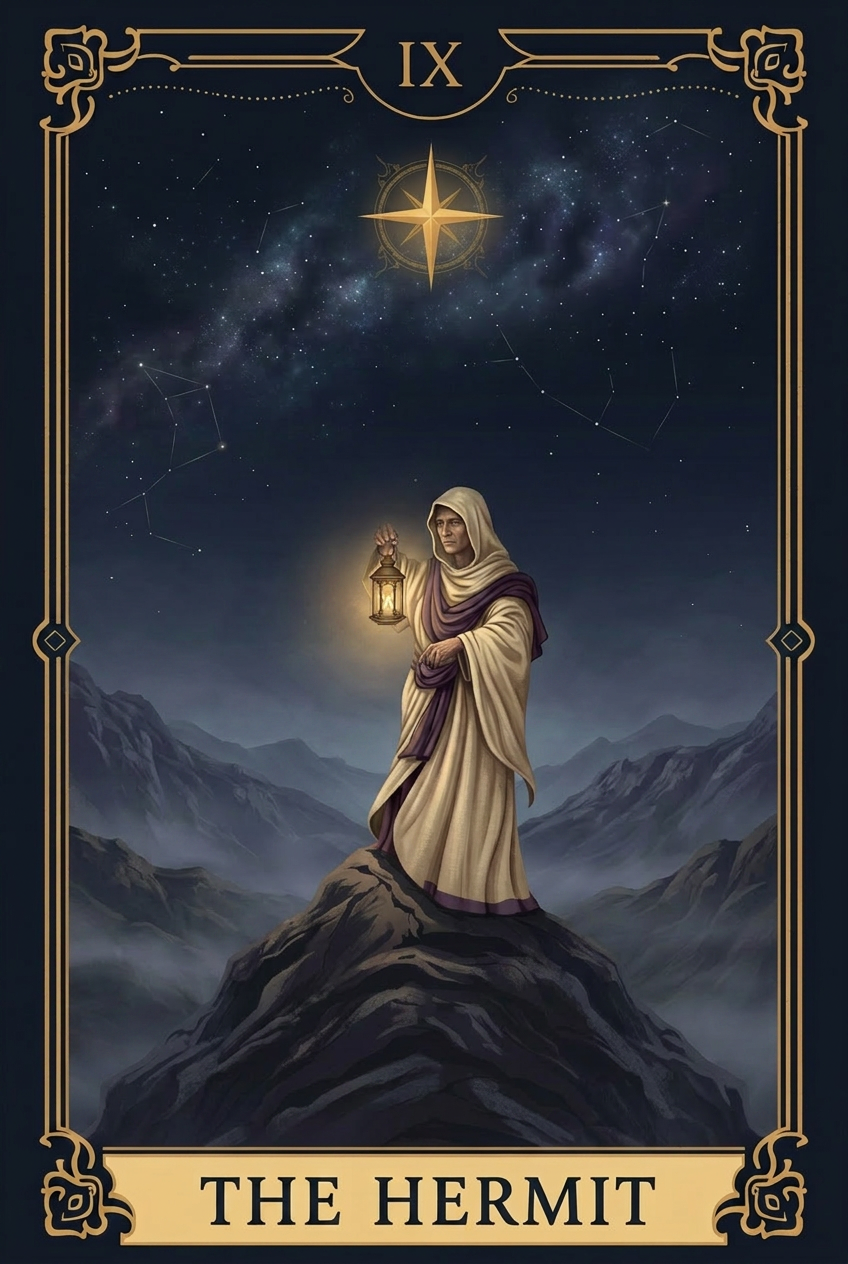
The Hermit
solitude · reflection · inner-light
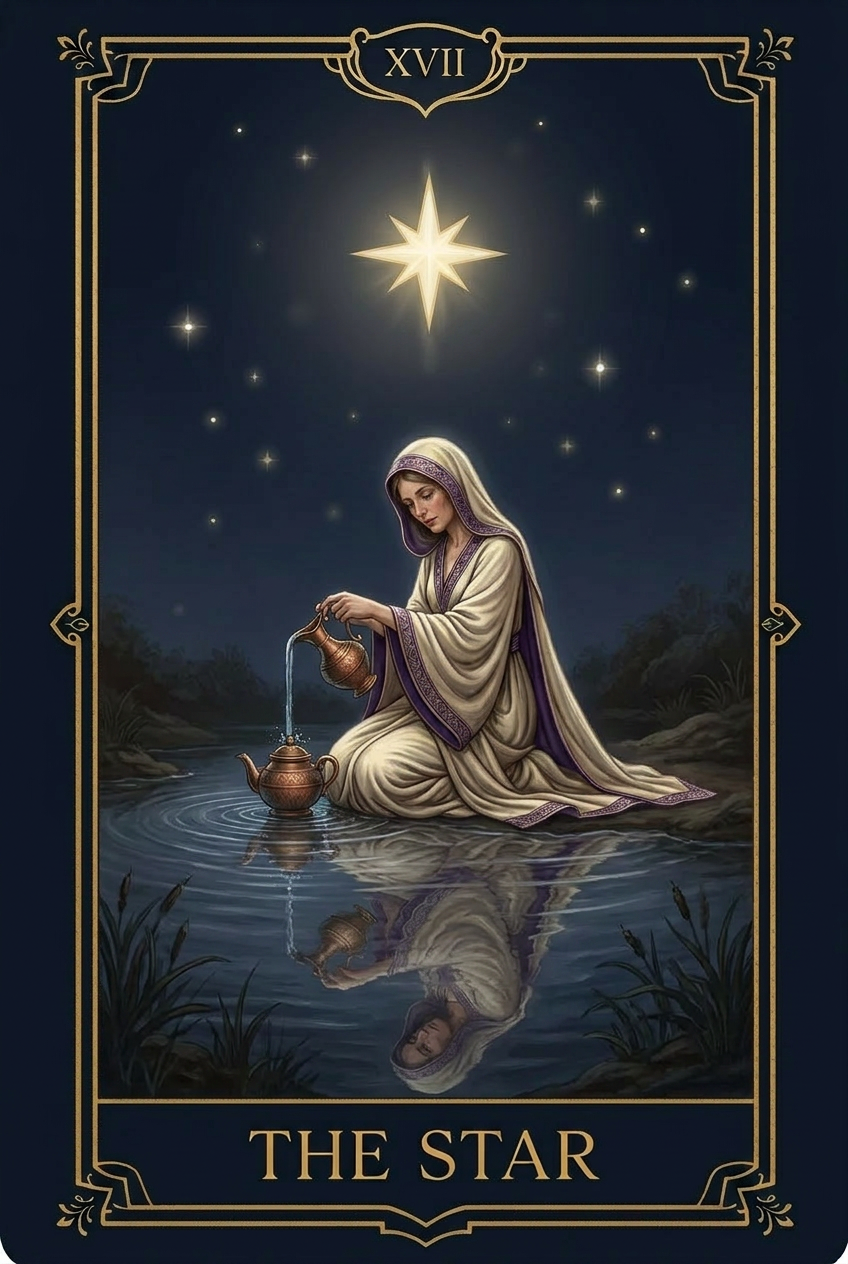
The Star
hope · renewal · calm
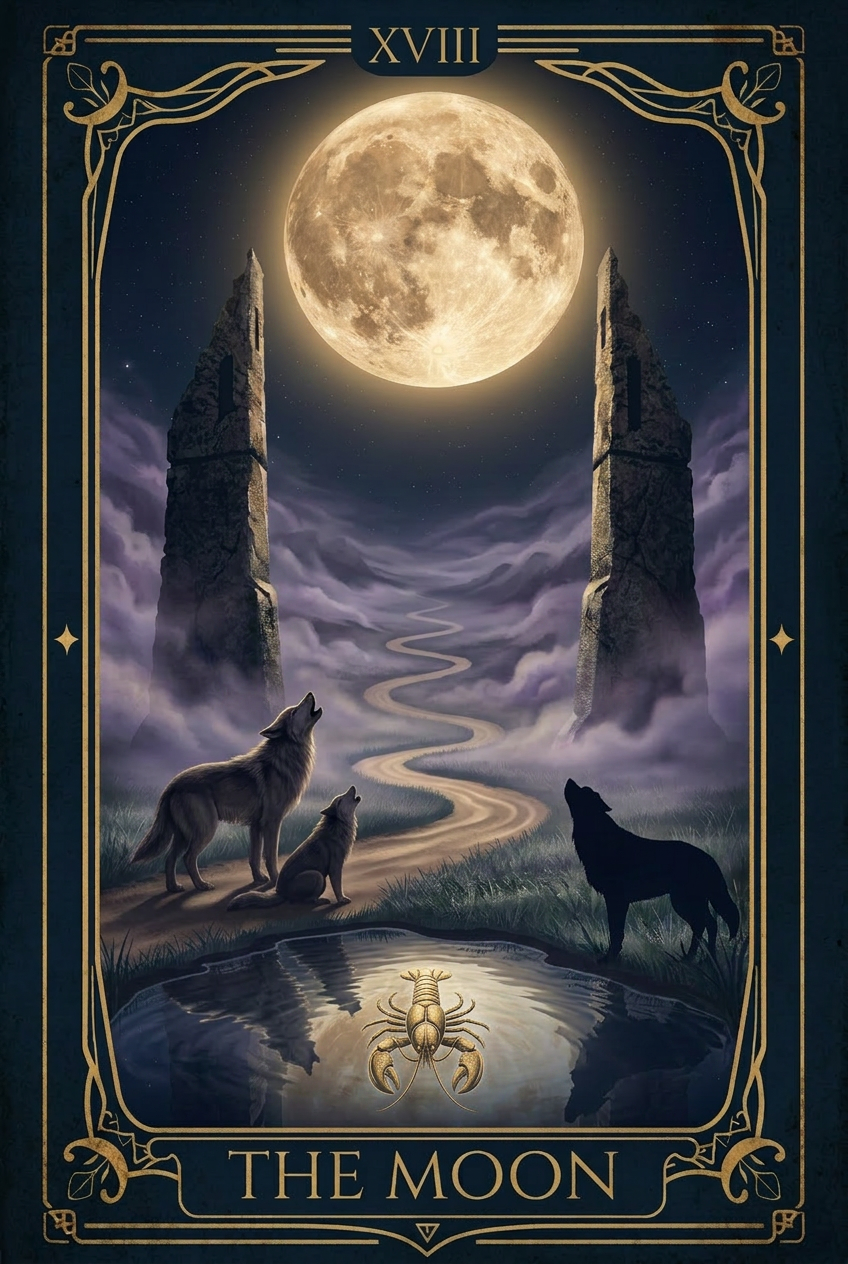
The Moon
intuition · illusion · dream
Synthesis
The spread appears less concerned with certainty than with recognition. A withdrawn season is being asked, gently, to look up.
III. Lenses
The same cards, read four ways.
Interpretive lenses change the framing, not the meaning. The symbolism is stable; the voice through which it is described is yours to choose.
Reflective
LensA quiet, observational register. Suited to journalling and slow reading.
“The cards seem to be circling familiar territory rather than announcing new ground.”
Analytical
LensDrier and more structural. Names tensions and asymmetries directly.
“Two of the three positions tilt toward withdrawal; the third asks what is being withheld and from whom.”
Practical
LensPlainer language, oriented to the week ahead.
“There is a decision pending. The spread suggests waiting, but not indefinitely — perhaps until the week turns.”
Poetic
LensMore image-led. Useful when a reading needs to be felt before it is parsed.
“A lantern in a hallway. Someone has been standing there longer than they meant to.”
IV. Continuity
Readings can echo across time.
Saved readings quietly inform one another. Recurring cards and themes are noted, not analysed — a record kept in your own handwriting, returned to you when the moment calls for it.
The Hermit returns. Third appearance this season.
A familiar tension between Swords and Cups — recognition rather than resolution.
The Star follows where The Moon once stood. Something inarticulate is beginning to be named.
Patterns return. Themes recur. The archive remembers only what you choose to keep.
V. Interpreters
Two editorial voices, kept on the shelf.
The archive is curated through two fictional contributors. They appear in margins and captions — never in conversation, never as companions.

Rufus Santora
Rufus distrusts certainty. His notes line the margins of the major arcana — quiet captions, small observations, the occasional epigraph.
“Most of what a card says is in the room you read it in.”

Isobel Vance
Isobel is the second hand in the archive. Where Rufus describes the door, she describes the way light falls through it.
“The spread does not predict the weather. It tells you where the windows are.”
To begin
A quiet place to keep your readings.
Begin with a single card today. Return when the next one calls for it.
Built for reflection, not prediction